Pier Mattia Tommasino (Columbia, Italian) in conversation with Stefania Pastore (Università di Roma La Sapienza) on the occasion of the publication of Stefania Pastore’s book:
Rinascimento Diasporico, Libri e itinerari delle diaspore iberiche in Italia (1492-1630). Pisa, Edizioni della Normale, 2026
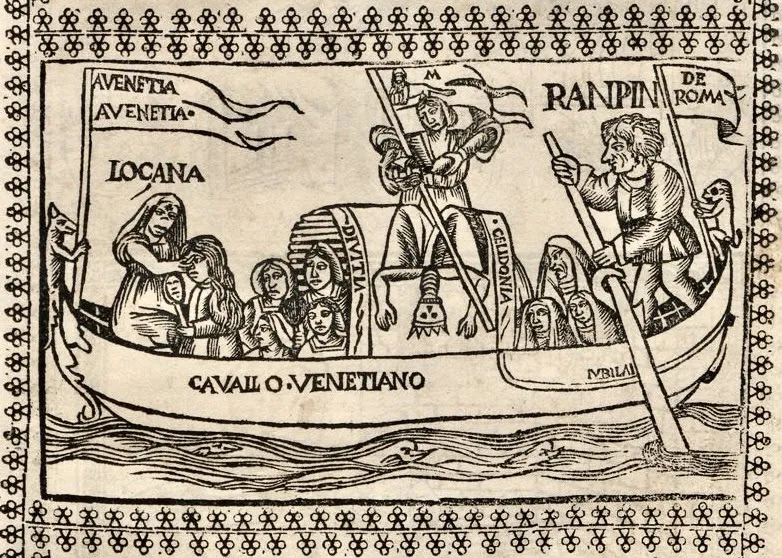
What did women and men fleeing across the Mediterranean have in common with the printed words that were seeking to elude the clerical and lay censors in order to find new readers and sources of legitimation? What changes and transformations enabled banned texts to circulate throughout Europe during the 16th and 17th centuries? This book provides new answers to these questions by bringing the history of the book and reading practices into conversation. n with the history of diasporas and coerced mobility in the early modern Mediterranean. It demonstrates the strong parallelisms that existed between the strategies of concealment utilized by the thousands of exiles who fled the Iberian Peninsula after the expulsion edicts of 1492 and 1609–and the camouflage methods adopted by authors, printers, engravers, and readers of printed books.
Like diasporic people, also printed texts became sites of complex processes of performative disguise. By uncovering the traces hidden in books printed across the Ita;ian peninsula, this book offers fresh insights on the Renaissance and the Spanish cultural influence in early modern Italy.
Stefania Pastore is an associate professor of early modern European history at the University of Rome “La Sapienza”. She previously taught at the Scuola Normale Superiore in Pisa. She is the recipient of several fellowships, including from Villa I Tatti, the Institute for Advanced Study, and the Davis Center for Historical Research at Princeton. In Spring 2010, she was a visiting scholar at Columbia University. Her publications include Una herejía española: Conversos, alumbrados, Inquisición (Marcial Pons, 2010), An Invisible Thread: Heresy, Mass Conversions, and Inquisition in the Kingdom of Castile, 1449-1559, Brill, 2024, and Rinascimento diasporico: Libri e itinerari delle diaspore iberiche in Italia, 1492-1630, (Edizioni della Normale, 2026).
In collaboration with The European Institute (Columbia University), and the Center for Iberian Historical Studies (Saint Louis University)